
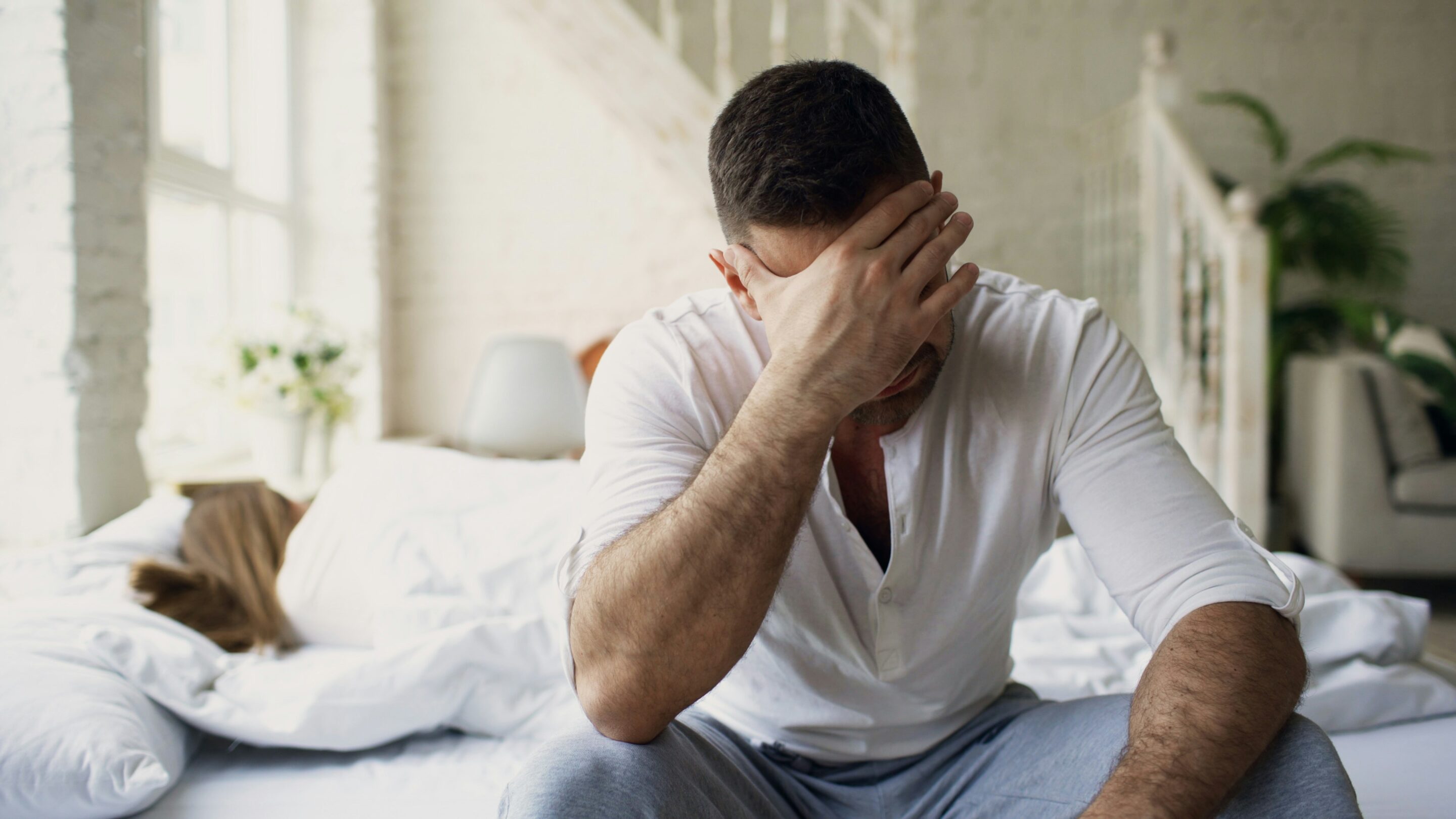
Have you recently discovered your partner’s secret sexual behaviors—like sexting, pornography, or emotional or sexual affairs—and now feel like your entire relationship was a lie? Many betrayed partners describe more than pain. They describe a collapse in reality: questioning what was true, doubting their own memory, and feeling emotionally unsafe in ways that don’t go away with time alone.
These symptoms aren’t “overreactions”—they’re often trauma responses. When deception is ongoing and layered with gaslighting or manipulation, it creates the conditions for what some therapists now recognize as complex betrayal trauma. And one of the most helpful ways to understand this experience is through the Deceptive Sexuality and Trauma Model (DST).
What is the DST Model?
The DST Model was developed by Dr. Omar Minwalla, a licensed psychologist and sexologist, to describe the psychological and relational impact of deceptive sexuality—especially in cases involving compulsive sexual behavior, chronic infidelity, or sex addiction.
Rather than viewing betrayal as a single event, this model focuses on the system of deception: how secret sexual behavior, emotional dishonesty, and control shape the relational environment. Dr. Minwalla frames this as integrity abuse, a specific form of intimate partner harm that destabilizes a partner’s sense of safety, identity, and reality over time.
In this model, deceptive sexuality refers to hidden behaviors that create ongoing harm in the relationship. And when betrayal is sustained and concealed, the resulting trauma can mirror symptoms of PTSD or complex PTSD.
Betrayal’s “secret basement”
There are many unknowns in deceptive sexuality. Dr. Minwilla uses the metaphor of “the secret basement” — a trap door in the floor of the couple’s home, which accesses a basement only the betraying partner knows about. This secret basement is where the deceptive behaviors, such as pornography, sexual addiction, sexting, and sexual and/or emotional affairs live. The betraying partner may visit the secret basement only a few times or frequently.
Regardless of how many times the person visits the secret basement, it remains an area accessible only to the betraying partner.
Dr. Minwalla refers to the life above ground as the pre-existing reality-ego (PRE), what the partner and family believed to be true about their lives before the deceptive sexuality came to light. The discovery of the secret basement can lead the betrayed partner to experience trauma symptoms, including post-traumatic stress disorder (PTSD) or complex PTSD.
The DST model views this environment as one marked by integrity abuse—a breakdown of relational safety and reality. The betrayed partner’s sense of truth, trust, and identity is often deeply injured by the deception.
Understanding how this breakdown unfolds over time is key to making sense of the emotional chaos many betrayed partners experience. Dr. Minwalla outlines three phases that help map the psychological impact of deception—offering clarity, structure, and a path toward healing.
The three stages of the DST model
When betrayal includes secrecy, manipulation, or sexual acting out, the impact on the betrayed partner isn’t just emotional—it’s systemic. Dr. Minwalla outlines three non-linear phases that help explain the disorientation, instability, and trauma responses many partners face. Understanding where you are in this process can offer relief, language, and direction in a time that often feels chaotic.
Stage 1: The covert phase
This phase occurs before any discovery or disclosure. The betraying partner keeps their sexual behaviors and secret reality hidden from the partner and family via the pre-existing reality-ego (PRE). The betraying partner may present a false narrative while actively maintaining a system of covert control and domination. Even though the betrayed partner is unaware of the deception, they are still being affected by it—this is known as complex trauma shaping.
Betraying partner symptoms may include:
- Lying
- Deceiving
- Blaming
- Gaslighting or psychological manipulation
- Relational neglect or withdrawal
- Intentionally withholding information
Betrayed partner symptoms may include:
- Suspicion
- Second-guessing oneself
- Gut feelings that something is off
- Continuing daily life, unaware of the betrayal
Stage 2: The exposure phase
In this stage, the “secret basement” is exposed. This can happen through a disclosure or a discovery. For many partners, it’s the moment their entire world feels like it’s collapsed—what they believed about their relationship, their partner, and even their own memories can suddenly feel unstable or unreal.
The betrayal disrupts the PRE, causing emotional shock, trauma, and symptoms of PTSD. Integrity abuse and attachment injuries often surface here, complicating the betrayed partner’s ability to make sense of their reality.
Betraying partner symptoms may include:
- Externalizing responsibility
- Denial
- Justification
- Verbal abuse or intimidation
- Shifting blame or focus
- Defying logic
Betrayed partner symptoms may include:
- PTSD symptoms such as: flashbacks, nightmares, or intrusive thoughts
- Questioning reality
- Grief
- Hypervigilance
- Distrust
Stage 3: The symptom progression phase
This phase encompasses the short-term and long-term emotional and psychological effects from the first two stages. The betrayed partner may begin to restructure their life with or without the betraying partner, and begin setting boundaries, asking disclosure questions, or discerning the future of the relationship.
Additionally, there may experience core injuries to reality, self, identity, sexuality, and gender. If left untreated, the marriage may have persistent negative cycles, which could cause further harm.
Betraying partner symptoms may include:
- Impatience or pressure for the partner to “move on”
- Sexual entitlement or demands
- Violating agreements or commitments
- Lack of accountability
- Ongoing domination or control
Betrayed partner symptoms may include:
- Identity confusion
- Difficulty trusting oneself or others
- Boundary-setting
- Requesting a disclosure letter or asking detailed questions
- Discerning whether to stay in the relationship
These phases may fluctuate or overlap as the couple goes through treatment. Similar to grief, the DST stages are not linear, and each person’s experience is unique. Some partners are able to go through the betrayal stages with their partner, and ideally with the support of a therapist in an individual or couples capacity.
A therapist-facilitated disclosure creates space for full transparency after betrayal. This carefully guided process helps couples move toward healing with trust and structure.Repair starts with safe,
honest disclosure.
Therapy and support through DST
Recovery is not a one-size-fits-all process. Many couples are able to move through these stages with the help of a therapist. Individual and couples therapy can offer grounding, structure, and support. You can heal and recover from the betrayal trauma with individual and couples therapy through transparency and building trust with interventions like the 4 Circle Plan, individual therapy, or a support group like Beyond Betrayal.
Whether you’re working through this as a couple or individually, healing is possible with the right support.
Additional reading: